

The main difference between an orangery and a conservatory is that orangeries typically have a more solid structure and roof, while conservatories usually feature more glass.
If you’re considering a home extension, you may be wondering which option is right for your property. While orangeries and conservatories can look similar, there are some important differences in their construction, appearance and how they feel as part of your home.
At Lifestyle Windows, we design and install both orangeries and conservatories across Derbyshire, Nottinghamshire and Leicestershire.
In this guide, we’ll explain the key differences between the two and help you decide which option could work best for your home, lifestyle and budget.
What is the difference between an orangery and a conservatory?
The main difference comes down to the balance between glazing and solid construction.
A conservatory typically features glazed walls, creating a bright, airy space with clear views of the garden. Depending on your preferences, you can also choose from glass, tiled or solid roof options.
Large glass windows and panels allow maximum natural light into the room, making a conservatory a popular choice for homeowners who want to feel connected to their garden.
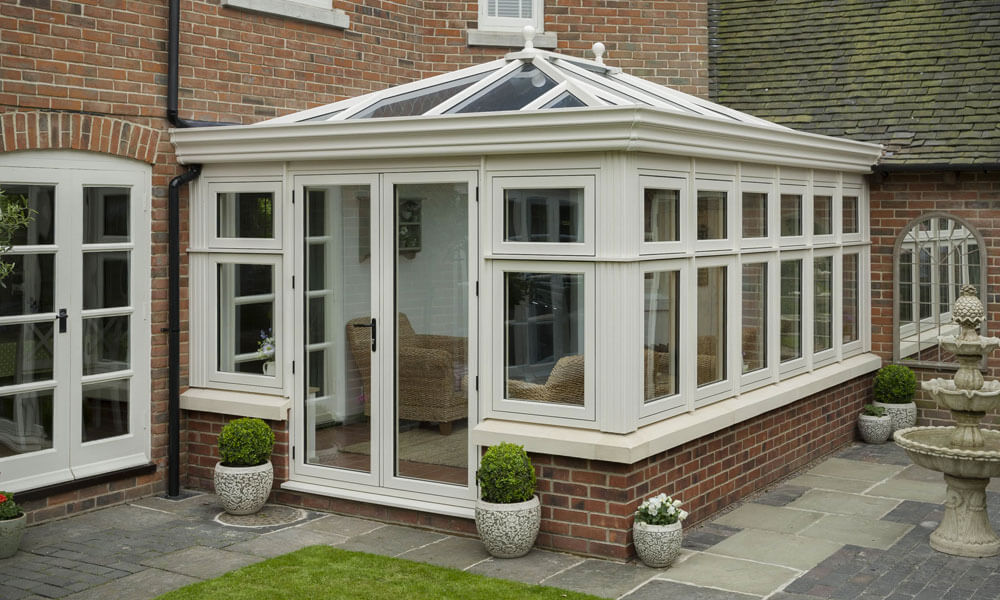
An orangery typically uses more brickwork, with solid walls or a brick structure and pillars combined with large areas of glazing. It can also feature a solid roof with a glass lantern, giving the room a more substantial appearance. This gives an orangery a more defined feel, while the glazed sections and roof lantern still bring plenty of daylight into the room.
How is a conservatory built?
Traditional conservatories make extensive use of glass, with large windows creating a bright, open space. They can also be fitted with glass, tiled or solid roofs, depending on the style and performance you want from the room.
At Lifestyle Windows, we offer conservatories in uPVC, aluminium and timber, allowing you to choose a finish that suits your property and budget.
The conservatory roof can also make a significant difference to the way the room performs. Alongside traditional glass roofs, we offer tiled and insulated roof options, while a roof lantern can be incorporated into suitable roof designs to bring additional natural light into the room. Replacement roofs can also transform an existing conservatory, helping you make better use of a space you already have.
Other options, including integral blinds and solar control glazing, can help manage sunlight, glare and privacy. With the right specification, a conservatory can be a comfortable space to use throughout the year, rather than somewhere you only use in warmer weather.

How is an orangery built?
Orangeries have a more substantial construction, traditionally combining brick pillars or solid walls with large glazed areas. This gives them a different appearance from a fully glazed structure and can make them feel more closely integrated with the main house.
The name comes from historic orangeries, which were built to protect citrus trees and other exotic plants from colder weather and support plant growth. While modern orangeries are designed for everyday living, you can still see some of these traditional features in their design.
Tall windows, brick pillars and a mix of solid and glazed sections give an orangery the feel of a permanent part of the home.
Many homeowners choose an orangery as a kitchen, dining area or family room because its brick structure gives it a more substantial feel than many traditional conservatories.
Our orangeries are designed around your property, with different glazing, roof and material options available to create a space that suits your home.

Do orangeries and conservatories have different planning rules?
Not necessarily. Choosing an orangery or conservatory does not, by itself, determine whether you need planning permission.
Many conservatories and orangeries can be covered by permitted development rights in England, as long as they meet the relevant rules on size, height and position. Previous extensions can also affect what you are allowed to build.
If your property is in a conservation area, is listed or has restrictions affecting its permitted development rights, the position can be different. It’s worth checking what permissions or consents you need before starting work.
Building regulations are a separate consideration. Depending on the design and how the new structure connects to your existing home, approval may be required.
Our design team can also help with the planning and structural side of your project, working with our architectural partners on planning drawings, working drawings and structural calculations.
Is an orangery more expensive than a conservatory?
There isn’t a simple answer. An orangery can involve more brickwork and structural work than a traditional conservatory, which can affect the overall cost. However, the final price of either option depends on factors such as the size, materials, glazing, roof and specification.
A conservatory with an upgraded roof, premium glazing and high-quality doors can also represent a significant investment. Think about how you’ll use the space first, then compare the options and specifications available.
Orangery vs conservatory: Comparison
Still not sure which option is right for your home? Here’s a quick comparison of the main differences between an orangery and conservatory:
| Feature | Conservatory | Orangery |
| Construction | Predominantly glazed, with large windows and a choice of glass, tiled or solid roof options. | More brickwork, with solid sections, brick pillars and glazing |
| Roof | Glass, tiled and other roof options are available | Often a solid or flat roof with a central glass lantern |
| Natural light | Lots of glazing provides plenty of natural light | Glazing and a roof lantern bring plenty of daylight into the room |
| Appearance | Light, open and closely connected to the garden | More substantial and closer in feel to a traditional extension |
| Typical uses | Dining areas, entertaining spaces, garden rooms and additional living space | Kitchens, dining areas, family rooms and other living spaces |
| Style | A wide range of styles can suit different types of property | A good choice for homeowners looking for a more integrated extension |
| Cost | Depends on the size, materials, roof and specification | Depends on the size, materials, roof, brickwork and specification |
Orangery vs conservatory: which is right for your home?
There isn’t one option that works for every property. Choosing between an orangery and conservatory comes down to how you plan to use the space, your budget and what works best with your existing home.
A conservatory could be a good choice if you want lots of glass, an airy atmosphere and strong views of your garden. An orangery could be better suited to you if you want a more substantial room that feels closely connected to the existing house.
The style of your property should also play a part. Both orangeries and conservatories can be designed in different styles and materials to suit your home.
Choose your new space with Lifestyle Windows
Whether you’re considering a new orangery, a traditional conservatory or replacing an existing structure, we can help you decide what will work best for your home.
With over 30 years of experience, our team provides a complete design and installation service across Derbyshire, Nottinghamshire and Leicestershire. We can also help with planning, structural calculations and the other practical details involved in your project.
You can explore our range of conservatories, visit our showroom in Ilkeston to see the options in person or book an appointment to discuss your ideas with our team. If you’re ready to start planning, you can also request an instant quote for your project.